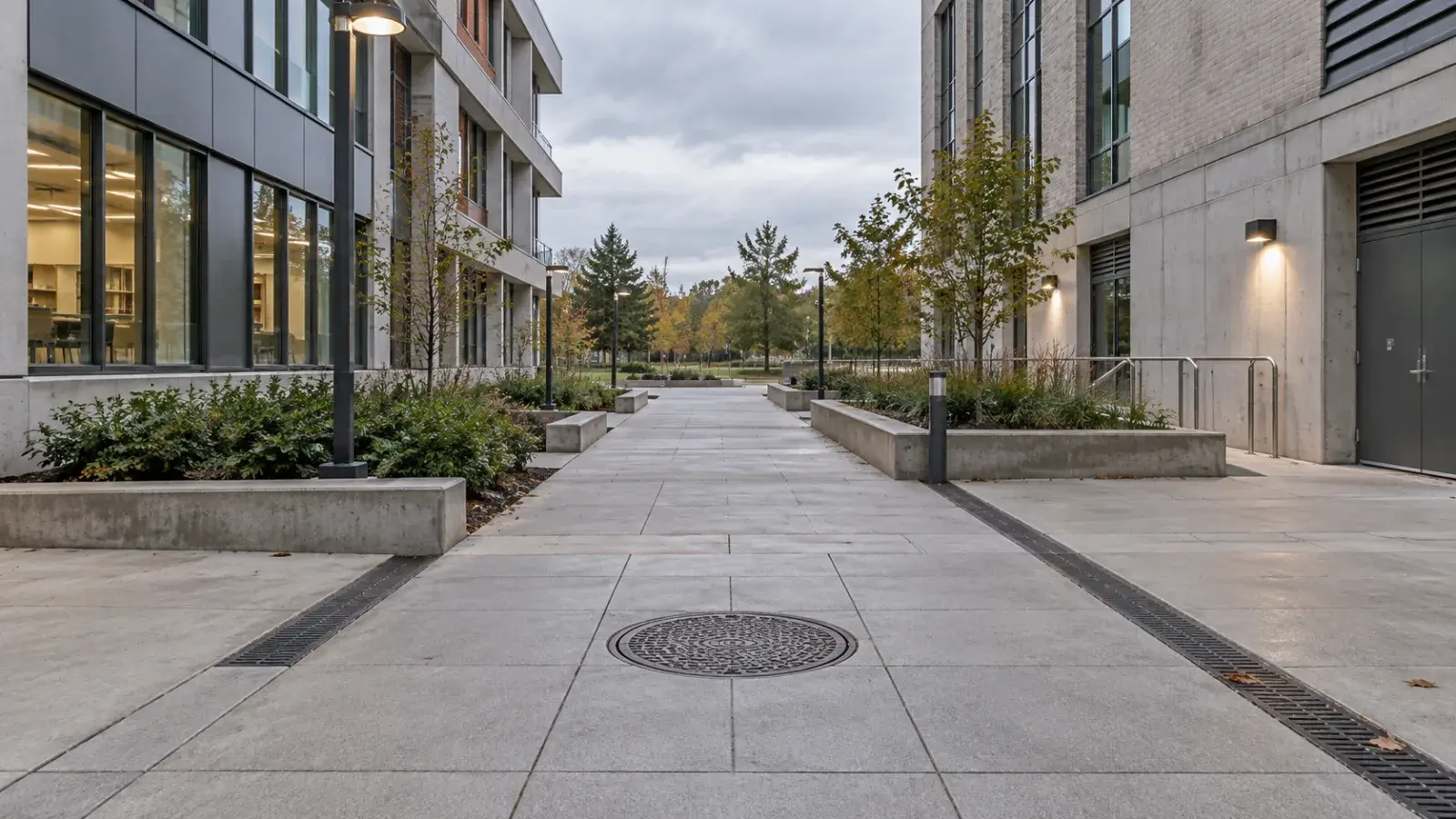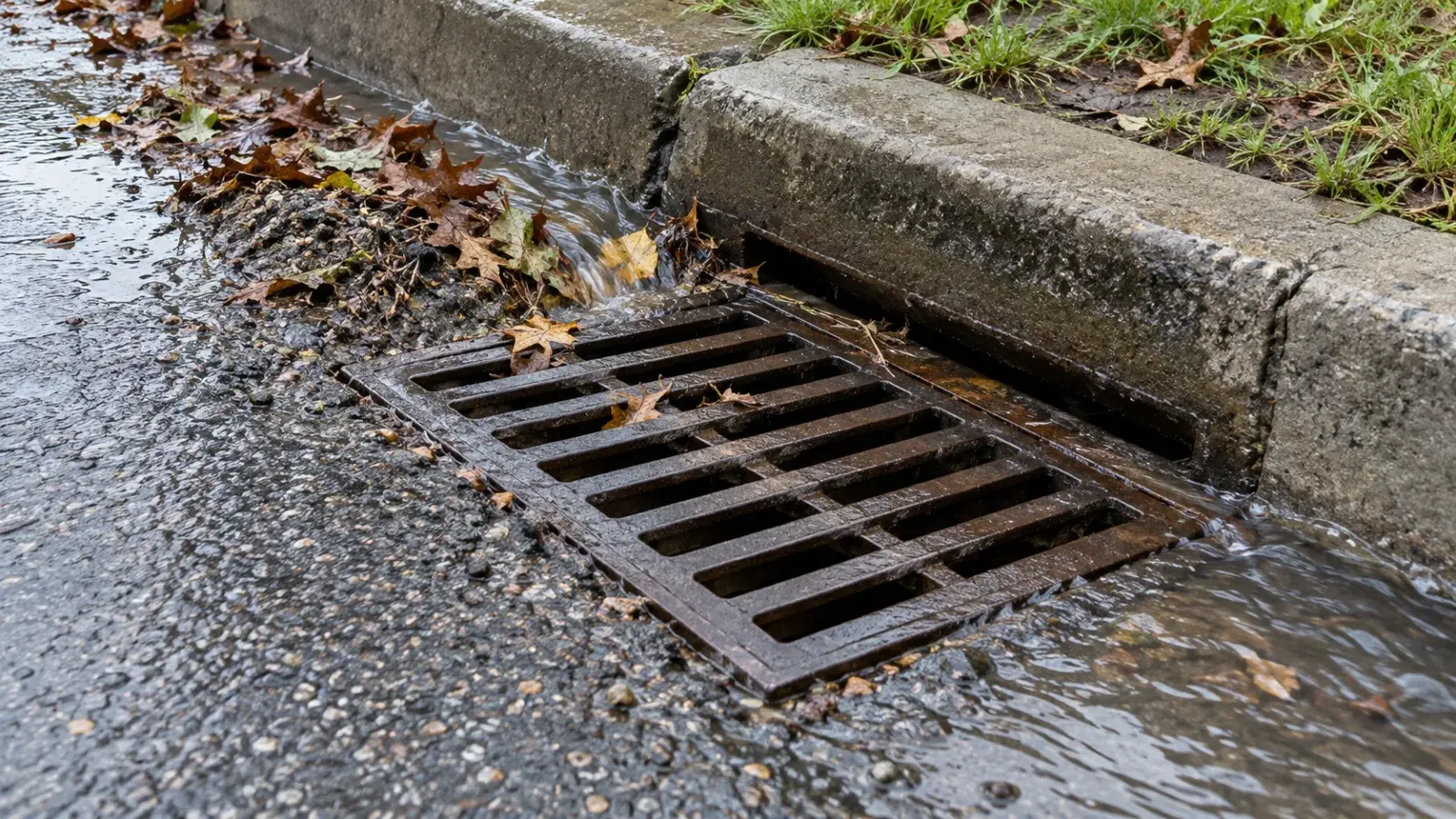
Plan drainage maintenance around identifiable inlets and explicit findings, then separate cleaning completion from evidence that the asset is ready for service. A photo of an attended site does not by itself answer whether an obstruction or structural issue remains.
Stormwater appears in Cityworks’ documented asset groups. The readiness process below is an editorial proposal to validate in Unity Maintain, not a flood model or a guarantee of flood prevention. Official asset groups.
Create a seasonal readiness sheet
| Item | Proposed record |
|---|---|
| Identity | Inlet ID and verified location |
| Observation | Visible condition, observation date and coverage limits |
| Required action | Cleaning, investigation, structural review or no action |
| Ownership | Team responsible and target review date |
| Completion evidence | What was removed or addressed, with supporting record |
| Remaining issue | Unresolved defect and linked follow-up |
Choose timing and priorities using the responsible drainage team’s local knowledge and requirements. Do not assign a universal cleaning interval based only on asset type.
Worked example: cleared surface, unresolved connection
In a hypothetical visit, a crew removes surface debris from inlet IN-17, but its observation does not establish that the downstream connection is clear. Record the completed cleaning and a separate investigation requirement. A blanket “complete” state can otherwise hide the unresolved question.
If the crew later discovers that the mapped inlet is several metres from the real opening, preserve the work association while assigning a verified location correction. Do not create a second asset simply to make the new point look right; reconcile identity first.
Review the network context carefully
A maintenance map can provide location context, but visible proximity does not prove hydraulic connectivity or capacity. Where a decision depends on those properties, identify the approved network data and engineering analysis needed. Keep assumptions separate from observed blockage evidence.
For Arabic and English reports, distinguish “cleaned,” “assessed” and “ready under the agreed check.” Let the team define what evidence supports each term. This helps avoid translating three different states into one general completion label.
Test readiness reporting
Select one cleaned inlet with no outstanding issue and one with an unresolved follow-up. Ask a supervisor to distinguish them from the summary without opening every attachment. Then trace the unresolved issue to its owner. An accurate exception list is more useful than a fully green map built from incomplete evidence.
Use the service-request and work-order guide to keep findings and completed actions distinct.
Plan your next step
Review InfoGraph’s Trimble offering and GIS implementation services. Contact our team with a sample asset record and the decision you need the workflow to support. For GIS data and field-collection skills, explore the training catalogue and confirm the relevant course scope; a dedicated Maintain course is not assumed.