A service request records a reported need, an inspection records an assessment, and a work order organizes assigned work. These are useful business distinctions for a Unity Maintain evaluation; your organisation must still agree on its actual templates, states and relationships.
Trimble presents service requests, inspections and work orders together in its work-management offering. Their relationship needs to serve your process rather than force every report through an identical chain. Maintain work-management overview.
Use one question per record
| Record | Question it answers | Do not infer |
|---|---|---|
| Service request | What need was reported, where and by whom? | The reported cause is confirmed |
| Inspection | What was assessed and what was found? | Every finding already has an assigned repair |
| Work order | What work is authorised, assigned and recorded? | Closing it resolves every related issue |
Keep links between records and decide who can create, correct or close each. The table describes proposed semantics, not a prescribed database design.
Worked example: a dark streetlight
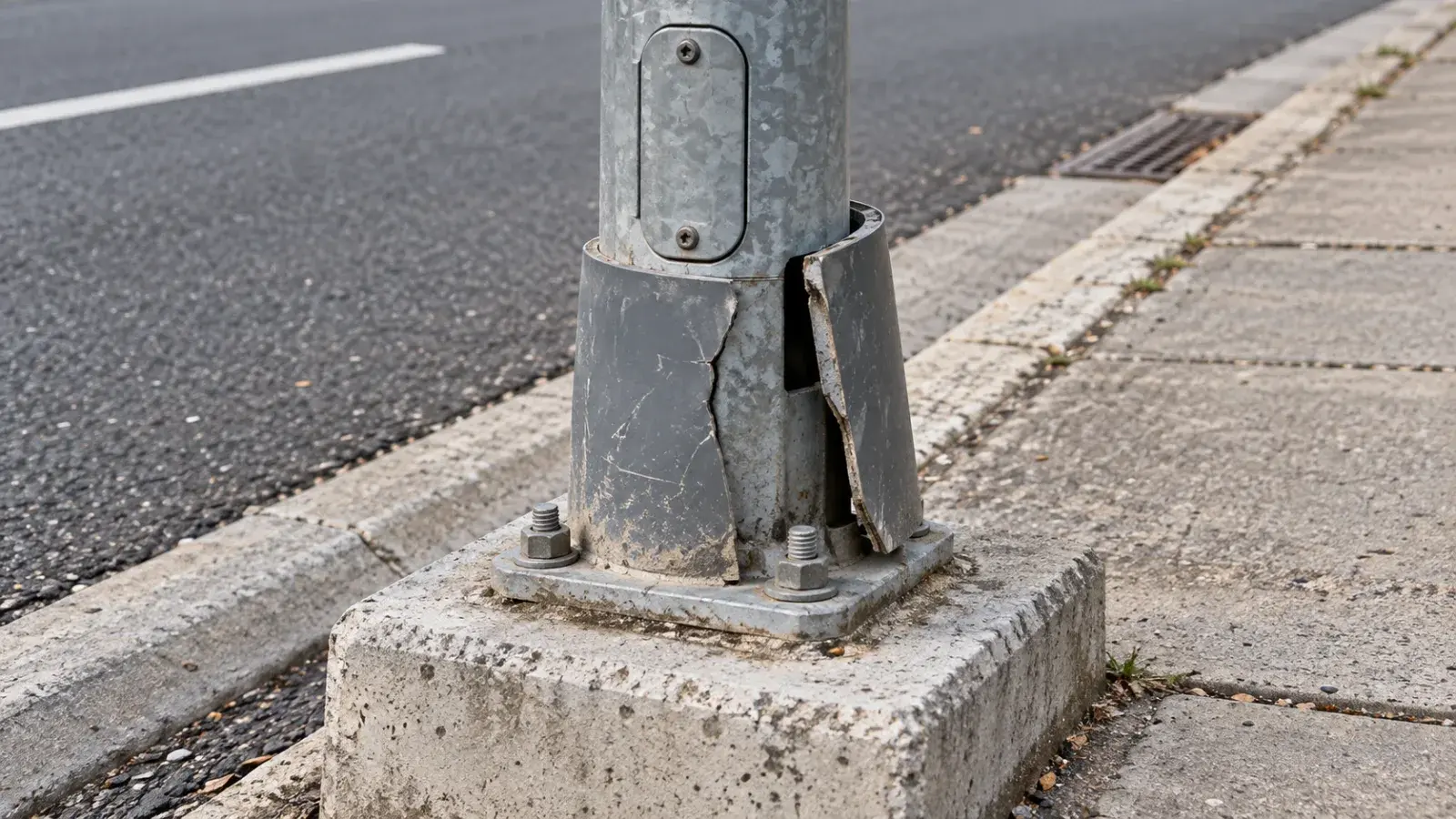
A resident reports a dark lamp. A second resident reports the same location later. A field assessment identifies a damaged cable rather than a failed lamp. The work needs a different team from the one initially expected.
Preserve both requests, link the assessment to the confirmed asset and record why the assignment changed. One repair may address both requests. A separate follow-up may remain for surface reinstatement. Ask the reviewer to demonstrate how each request can be traced to its outcome without counting the two callers as two equipment failures.
If an inspection identifies no defect, retain that finding and its context. Do not create a fictitious repair merely to complete a mandatory chain. Conversely, emergency work may need to begin under approved procedures before all administrative records are complete; define the subsequent documentation responsibility.
Agree on closure meanings
Write a small status glossary with the field team: assigned, attended, work completed, reviewed and follow-up required. These are suggested meanings, not a claim about built-in status names. Translate the definitions into Arabic and English together. “Attended” must not become “repaired” in a translated report.
A potential failure is a dashboard that counts closed requests as completed repairs. Test it using the example above: two requests, one assessment and one repair are different totals with different denominators. Choose the measure that answers the supervisor’s question.
What should the pilot prove?
Give a reviewer a request reference and ask them to find the assessment, confirmed asset, assigned work and remaining follow-up. Then start from the asset and trace back to the original report. Record gaps in either direction before introducing more automation.
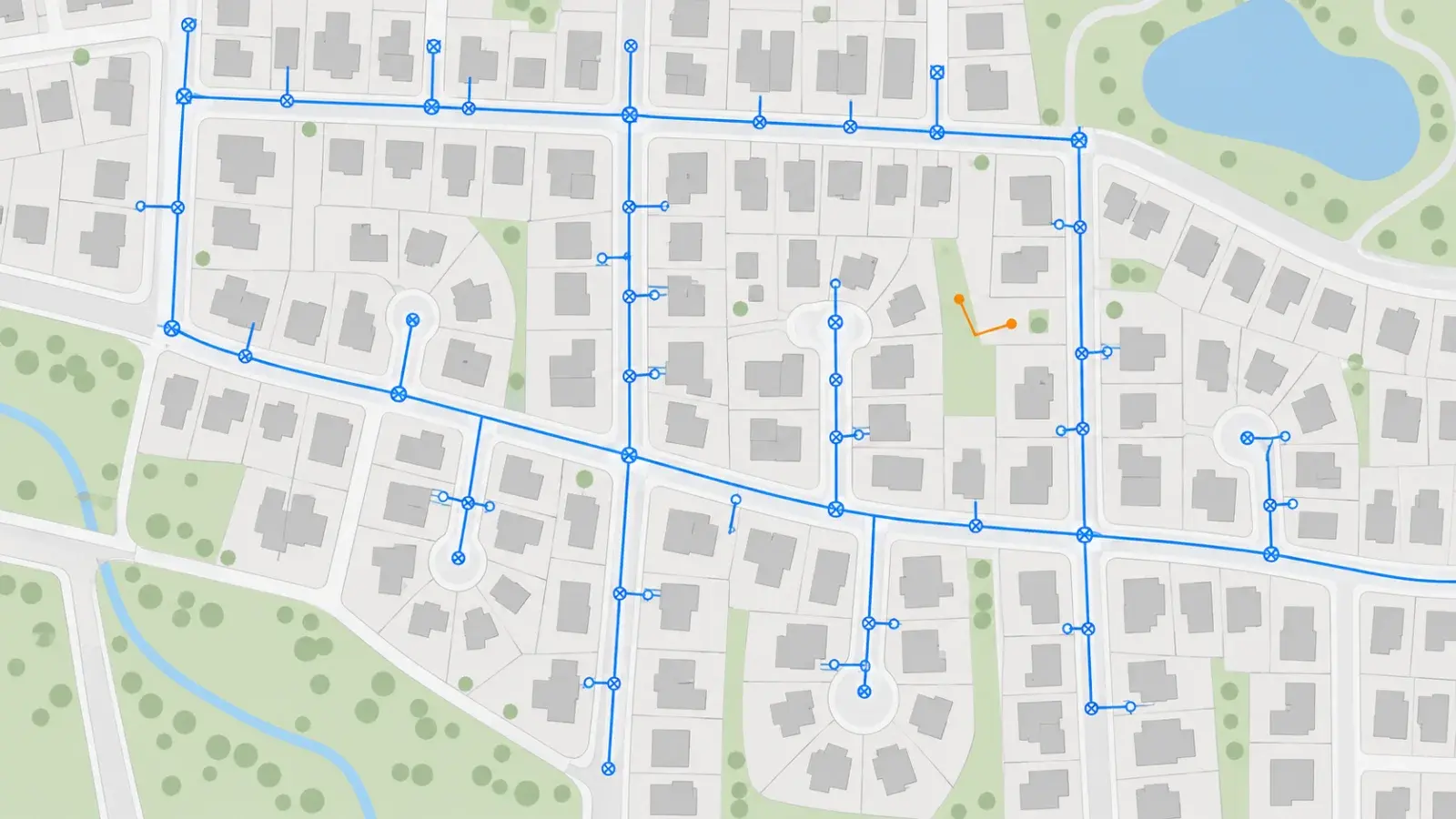
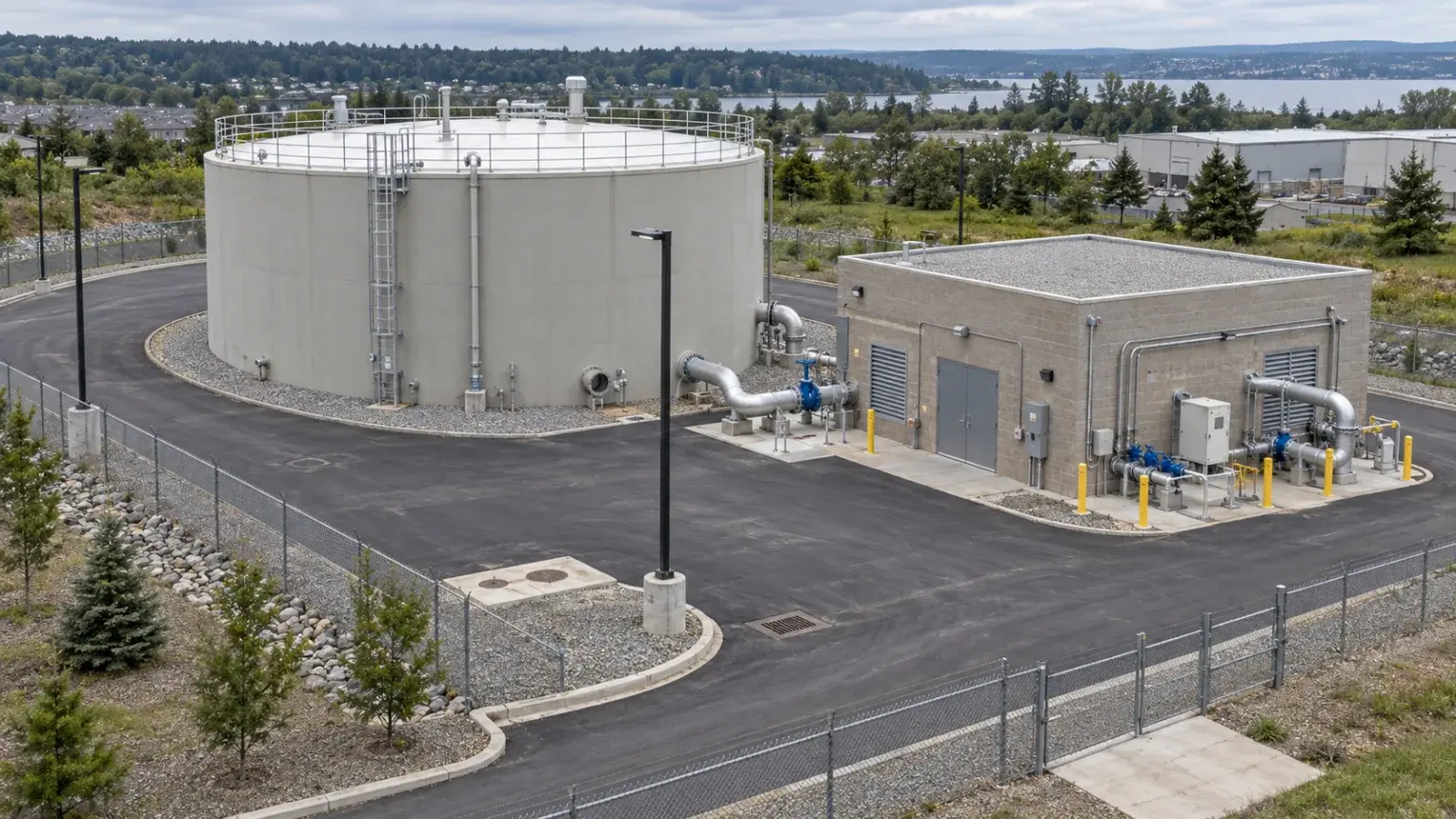
See the water-network report-to-repair example for another application. Use shared record meanings across departments while allowing their operational steps to differ.
Plan your next step
Review InfoGraph’s Trimble offering and GIS implementation services. Contact our team with a sample asset record and the decision you need the workflow to support. For GIS data and field-collection skills, explore the training catalogue and confirm the relevant course scope; a dedicated Maintain course is not assumed.