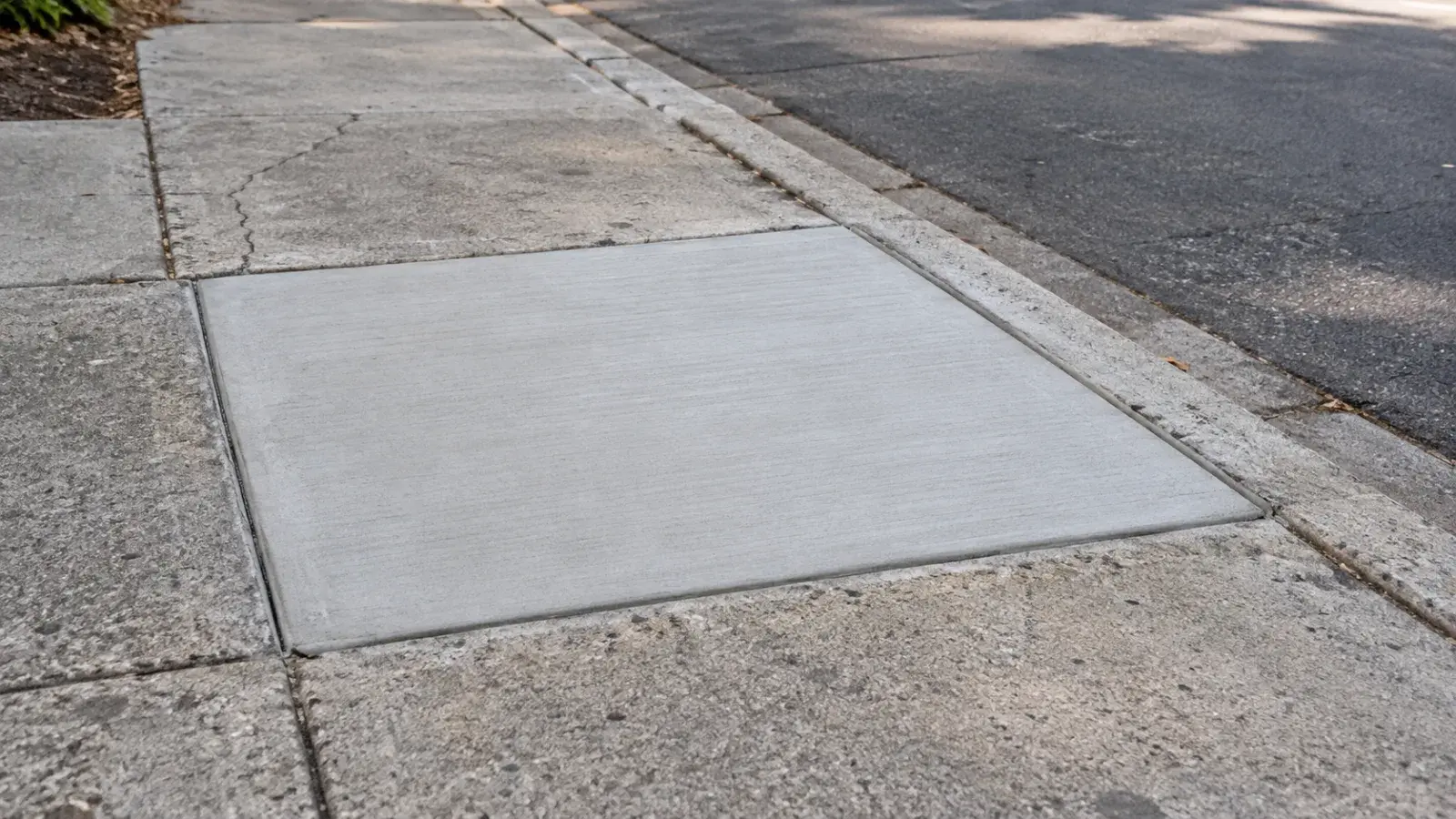
Track a street or sidewalk defect with a precise location, a defined repair extent and an acceptance decision. A road-segment identifier is useful context, but it may be too broad to tell a contractor exactly which observed defect a task addresses.
Street is a documented Cityworks asset group, and Trimble publishes a separate Pavement guide. Confirm the capabilities needed for routine repairs separately from any pavement-investment analysis. Asset groups · Maintain guide directory.
Make the repair scope reviewable
| Proposed field | Purpose |
|---|---|
| Segment and precise reference | Finds the defect within the street or sidewalk |
| Observation and date | Preserves the reported condition |
| Agreed repair extent | Defines what this task includes |
| Access and coordination | Records dependencies before assignment |
| Completion evidence | Shows the work performed at that location |
| Acceptance and residual issue | Distinguishes accepted work from remaining need |
Use engineering-approved specifications for the physical work. This worksheet concerns the maintenance record, not construction methods or accessibility certification.
Worked example: one segment, two defects
A hypothetical sidewalk segment has two separate defects. One is included in a contractor’s assigned repair and the other needs a separate decision. When the first repair is accepted, close its defined scope while retaining the second defect with an owner.
If the segment-wide status changes to “repaired,” the outstanding issue may disappear from a summary. Prevent that by defining whether status belongs to the whole segment, an observation or a particular work scope. The same question matters when several contractor visits address different parts of a road.
A location correction should retain the original report reference. If a resident described the wrong side of the street, record the confirmed side and the evidence rather than creating an unrelated record and losing the link.
What should a supervisor check?
Ask the supervisor to locate the accepted repair and the remaining defect from the map and records. Confirm that before/after evidence refers to the same site and that a completed contractor task has the required review. “Contractor submitted” and “municipality accepted” need distinct meanings.
Avoid drawing an investment conclusion from one repair
A routine defect log can inform later analysis, but it does not by itself establish which entire road should be reconstructed. That decision needs defined condition assessment, comparable coverage and approved planning criteria. Keep this article’s repair-traceability goal separate from network investment modelling.
Read the record-type guide before designing links between complaints, inspections and repairs.
Plan your next step
Review InfoGraph’s Trimble offering and GIS implementation services. Contact our team with a sample asset record and the decision you need the workflow to support. For GIS data and field-collection skills, explore the training catalogue and confirm the relevant course scope; a dedicated Maintain course is not assumed.