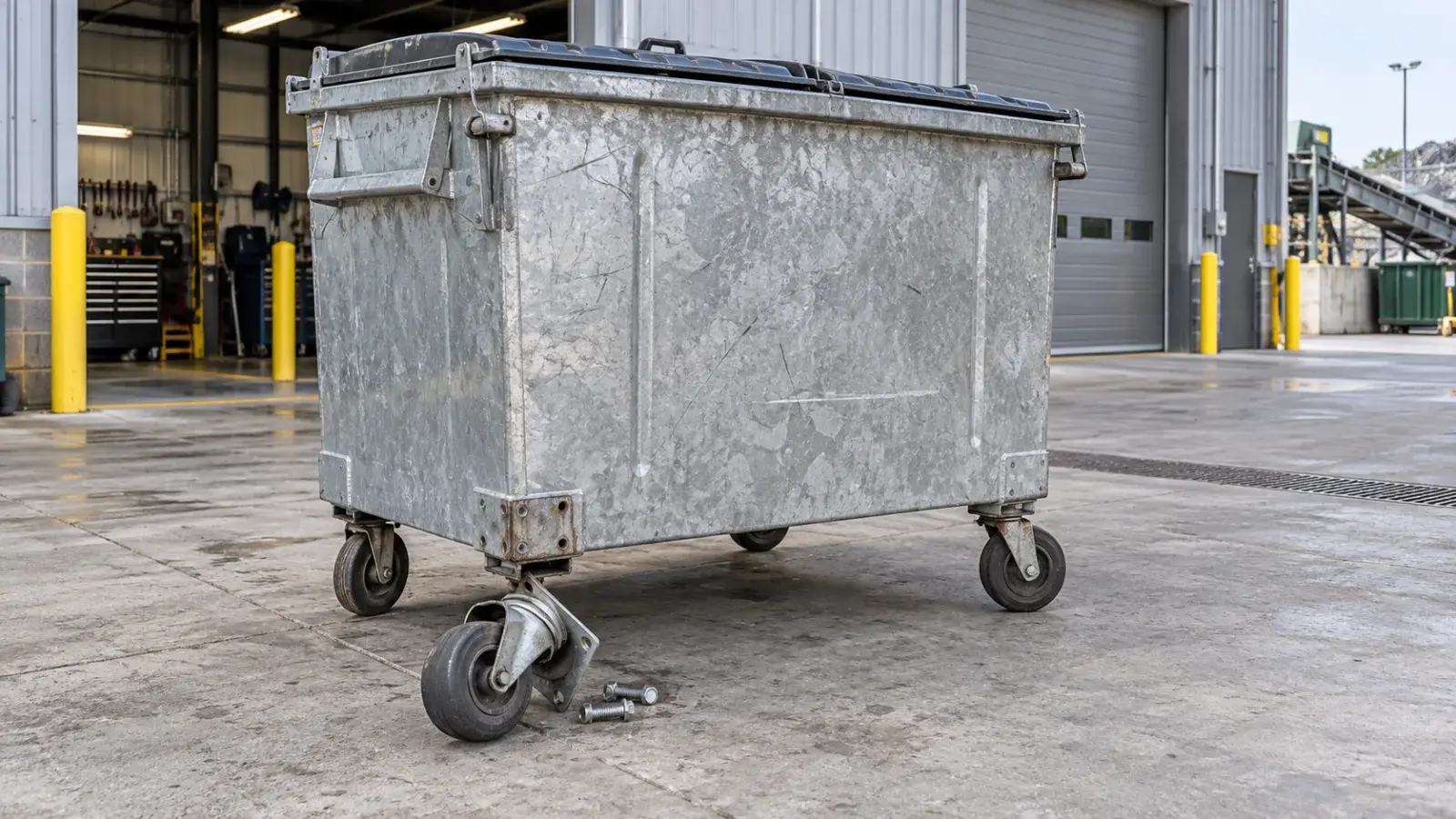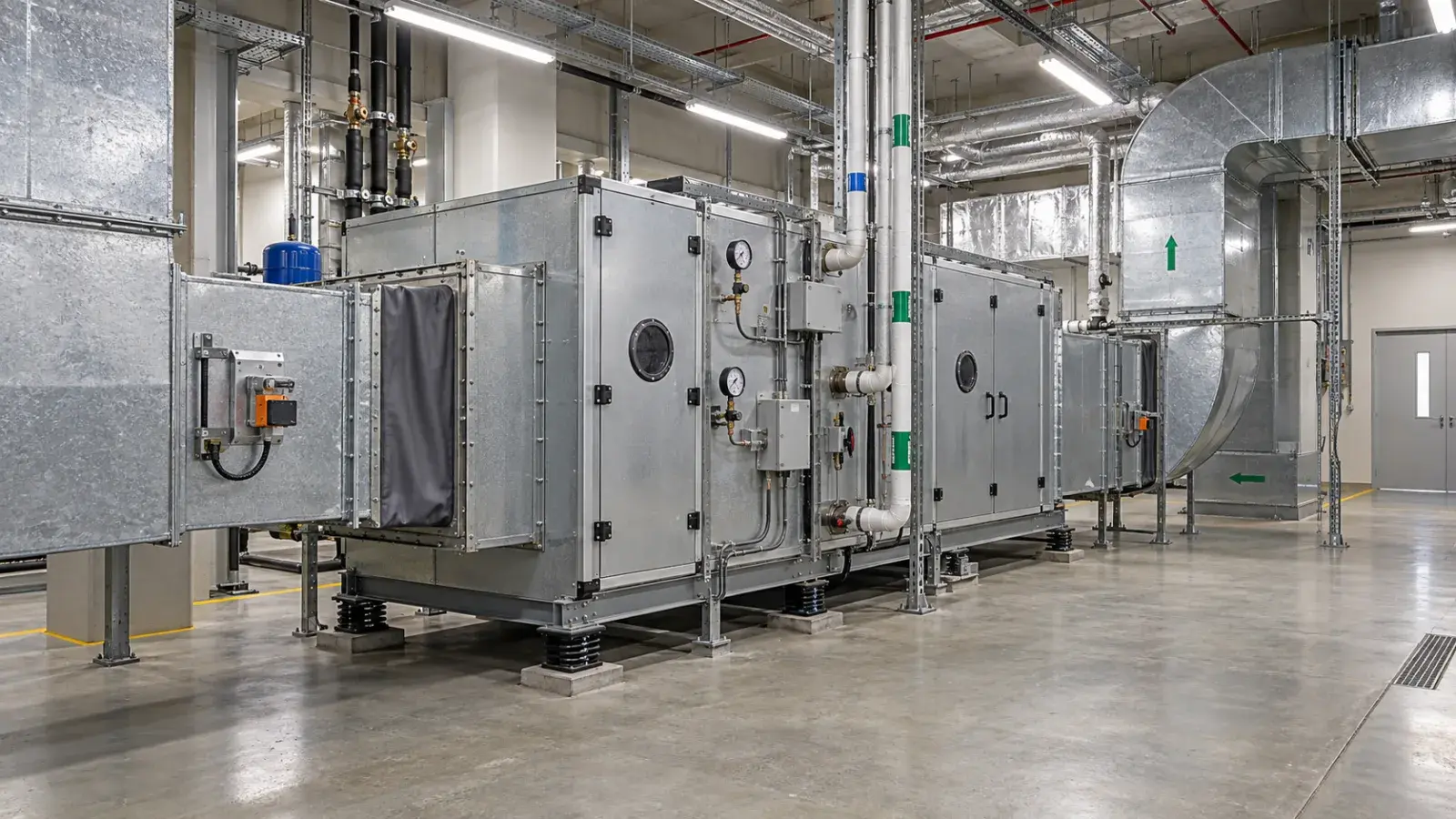
Organize facility records so a reported location leads to the actual maintainable equipment and its history. A room number helps a technician find a problem, but it should not become the permanent identity of every item installed in that room.
Trimble explicitly includes facilities in its Maintain positioning. The model below is a planning proposal; verify indoor location, equipment relationships and required modules in your deployment. Maintain overview.
Separate place from equipment
| Identity | What it represents | Change to track |
|---|---|---|
| Building | The facility as a location | Custodian or building status |
| Space | Room, zone or service area | Numbering or use change |
| Equipment | A specific maintained item | Move, replacement or retirement |
| Work | The intervention | Finding, action and acceptance |
Choose the smallest level that supports a real maintenance decision. A detailed hierarchy requires a named steward and an update process after projects or contractor visits.
Worked example: a replacement in the same room
In a hypothetical municipal building, an air-handling unit in room R-12 is replaced. If all work is stored against the room alone, a later report may incorrectly attribute the old unit’s failures to its replacement.
Retain the retired equipment identity and record the new unit, installation relationship, effective date and handover evidence. Keep the room as location context. Ask the reviewer to distinguish work on the old unit from work on the new one without reading every free-text note.
If the team deliberately tracks only room-level work, state that limitation. Such records may support location-based coordination but not reliable comparison of individual equipment histories.
Clarify contractor acceptance
Decide who confirms that submitted work matches the assigned equipment and scope. A contractor’s completion entry and the facility’s acceptance are different decisions. Record unresolved documentation or follow-up with an owner rather than hiding it when the task closes.
For bilingual facilities, make space labels recognisable to occupants while preserving stable stored identifiers. Test a renamed room so translated signage does not break equipment lookup.
Choose a small pilot
Use one building area, a few maintainable items and one replacement case. Check location lookup, equipment identity, permissions and historical retrieval. Do not assume that a maintenance pilot establishes BIM integration, statutory certification or every specialist building-system requirement.
The GIS asset-readiness guide provides checks for identity, lifecycle state and data ownership.
Plan your next step
Review InfoGraph’s Trimble offering and GIS implementation services. Contact our team with a sample asset record and the decision you need the workflow to support. For GIS data and field-collection skills, explore the training catalogue and confirm the relevant course scope; a dedicated Maintain course is not assumed.