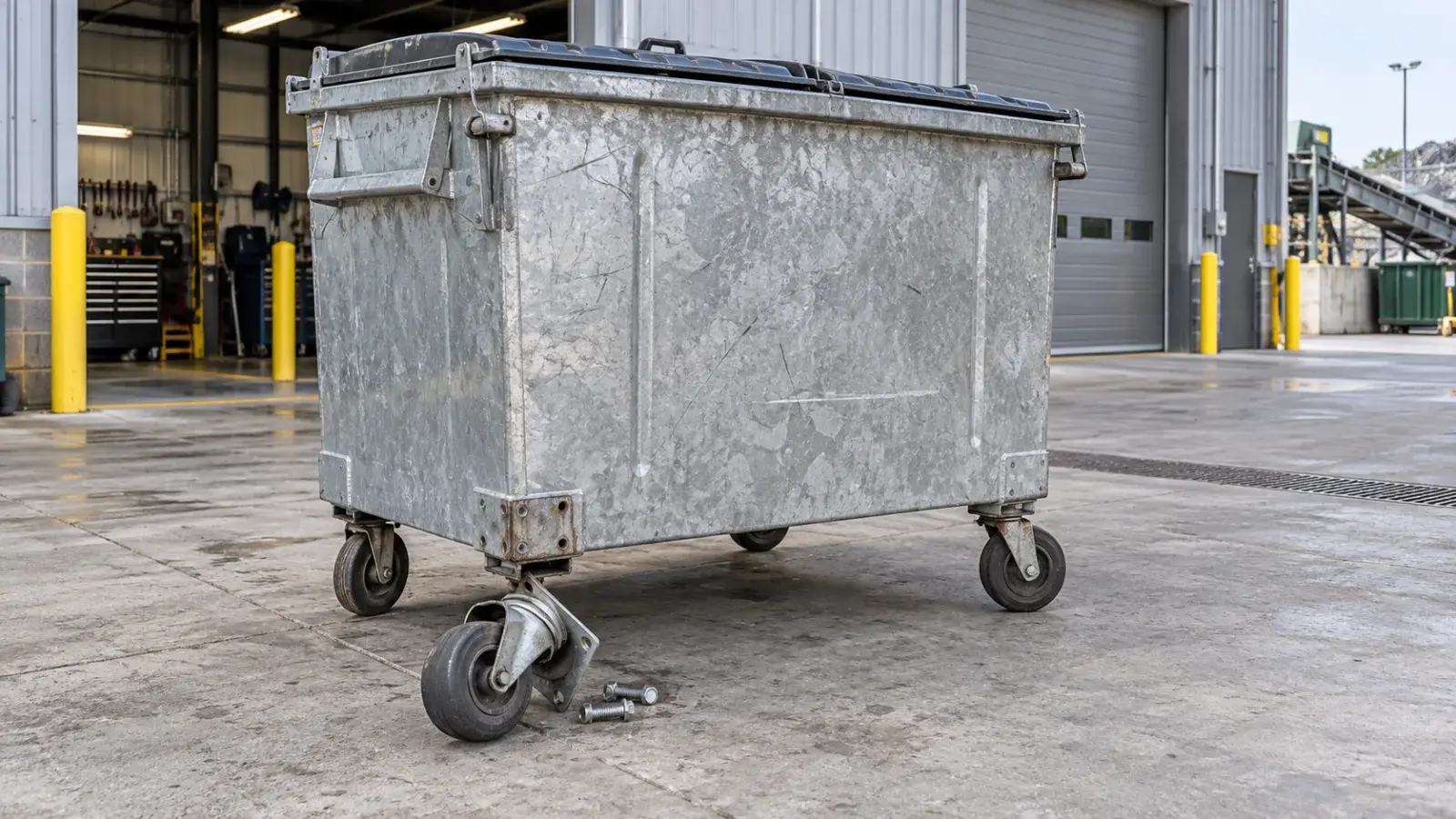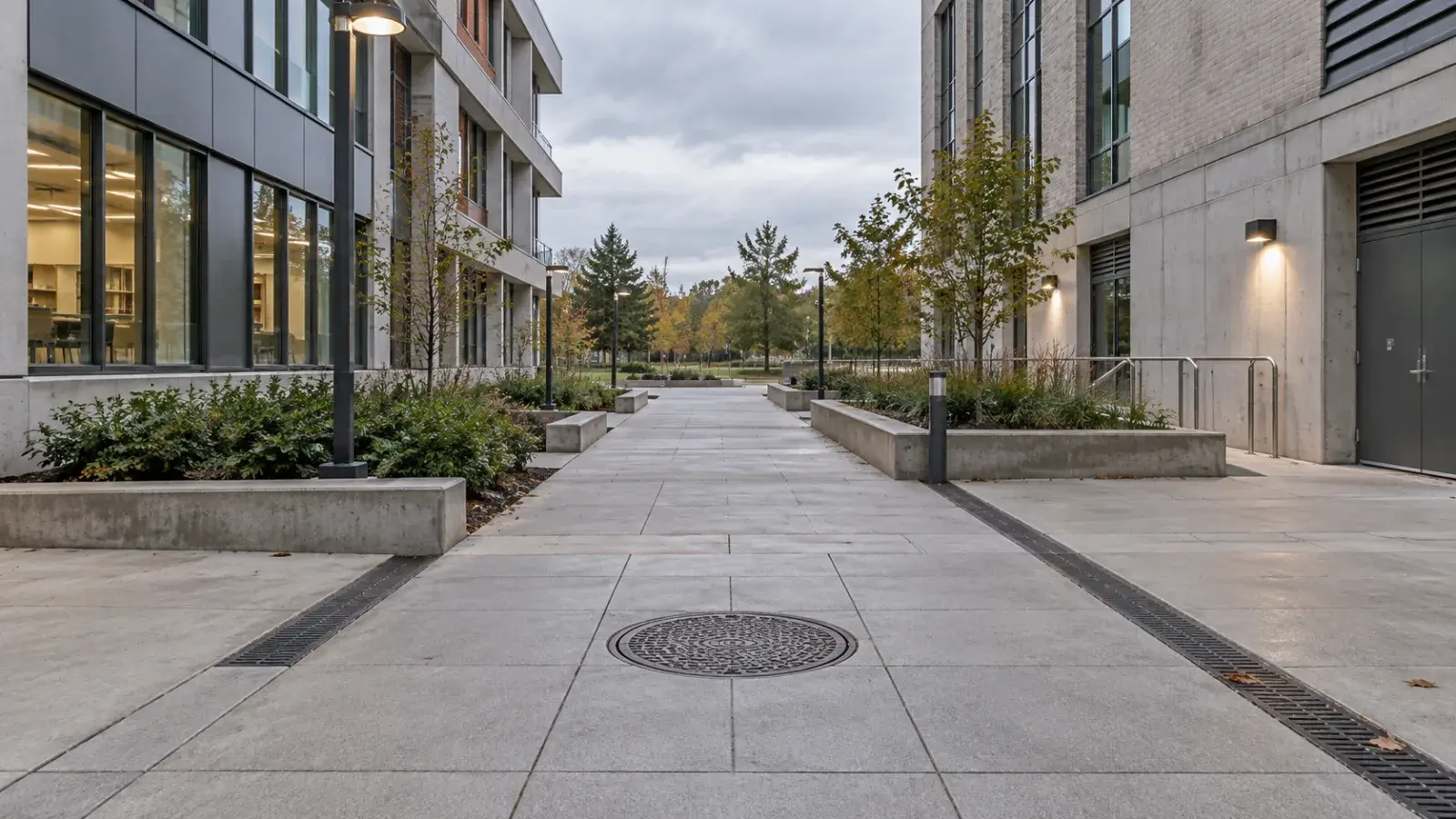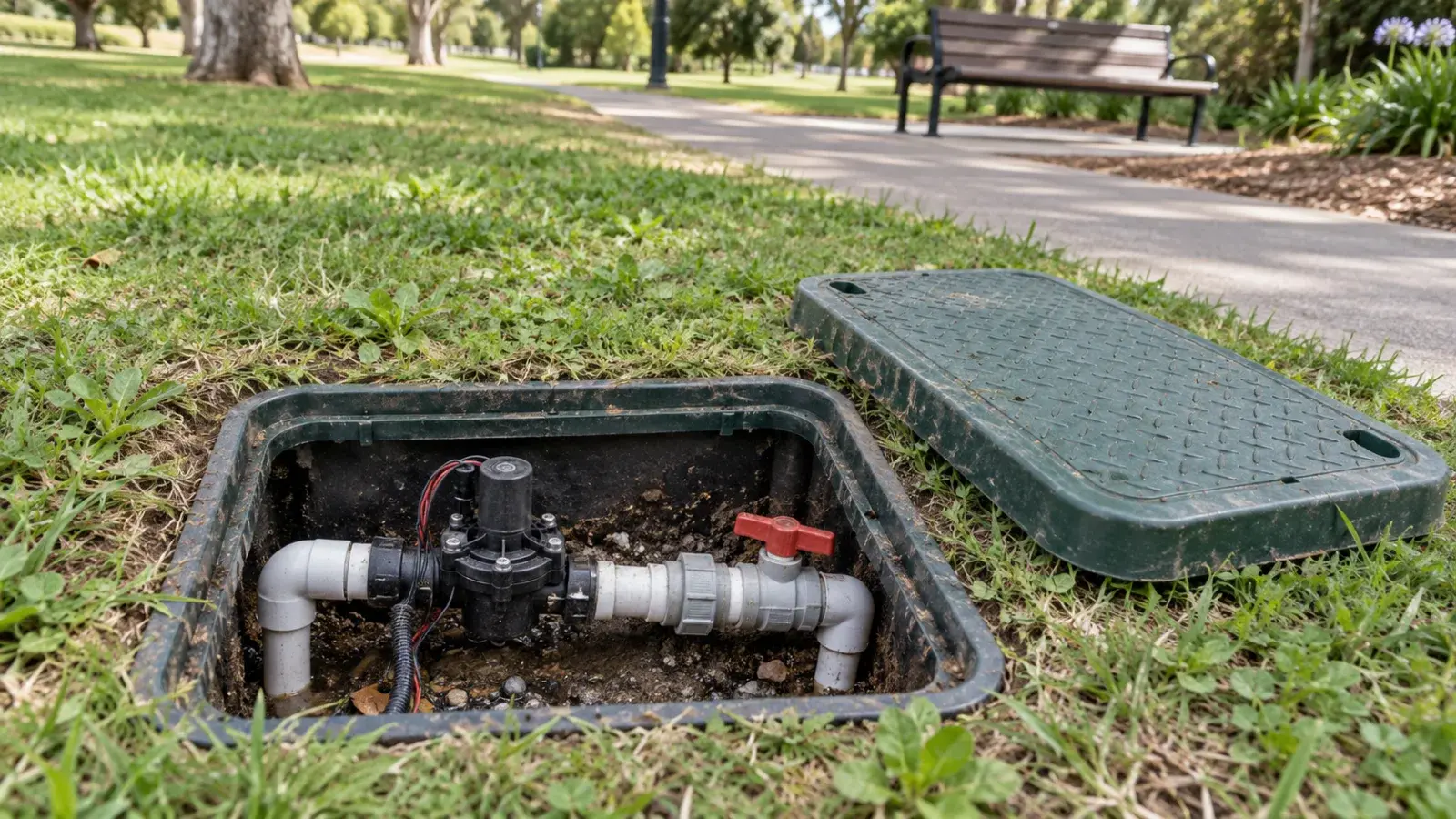
Give each park observation an identifiable asset, an accountable team and a decision about follow-up. A park-wide visit record can be useful, but it should not erase the distinction between a damaged bench, an irrigation issue and a path defect.
Park is a documented Cityworks asset group. The irrigation and cross-team process here is a proposed Unity Maintain application to assess, not a claim of automatic irrigation control. Official asset groups.
Define the maintenance boundary
| Observation | Proposed responsible role | Evidence needed for acceptance |
|---|---|---|
| Damaged furnishing | Parks maintenance coordinator | Identified item and accepted corrective action |
| Irrigation concern | Responsible irrigation team | Confirmed asset and reviewed finding |
| Path defect | Assigned civil-maintenance role | Defined repair scope and review |
| Uncertain ownership | Park supervisor | Ownership decision and receiving team |
Confirm actual responsibilities locally. These are proposed handoffs, not required staffing positions.
Worked example: one walk-through, three findings
A synthetic park visit records a damaged bench, a wet area near an irrigation point and a displaced paving slab. Keep the observations separate. Wet ground is a symptom requiring assessment, not proof of a broken irrigation component.
The supervisor assigns the bench repair, routes the irrigation observation for investigation and links the paving issue to the appropriate team. When the bench is repaired, the visit can remain fully recorded while the other findings stay open. Closing the visit must not imply that every issue was resolved.
If the irrigation team discovers that the affected asset belongs to another organisation, document a named handoff and receipt. Forwarding a message is weaker evidence than confirmation that someone accepted responsibility.
Balance detail with maintainability
Not every tree, fitting and temporary object needs a separate record in the first pilot. Choose identities for the assets whose history and repeated work matter to the team. For the remainder, define how a location-based observation can be reviewed without pretending that a precise inventory already exists.
Use Arabic and English descriptions that distinguish an observation from its assumed cause. Agree how field staff record uncertain ownership and incomplete access.
Test the overview
Ask a supervisor to explain which findings from a visit are resolved, which are assigned elsewhere and which still lack an owner. The summary should preserve these distinctions without relying on a private spreadsheet.
Read the asset-readiness guide before deciding how detailed the park inventory needs to be.
Plan your next step
Review InfoGraph’s Trimble offering and GIS implementation services. Contact our team with a sample asset record and the decision you need the workflow to support. For GIS data and field-collection skills, explore the training catalogue and confirm the relevant course scope; a dedicated Maintain course is not assumed.