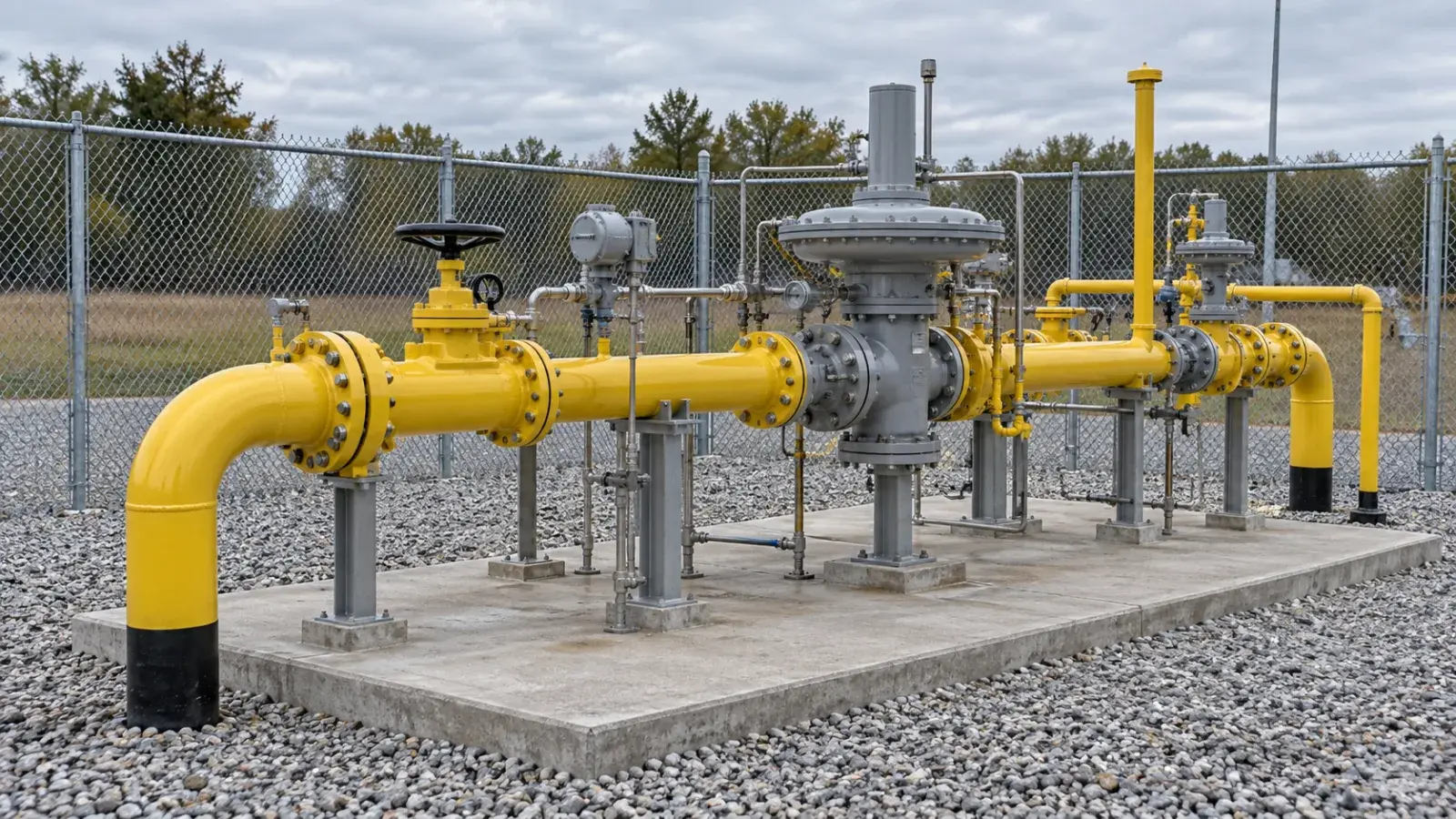
Start with a bounded asset set and an explicit responsibility map, such as a landside drainage or facilities workflow, then test the entire handoff from finding to accepted work. An airport-wide platform evaluation becomes more useful when it demonstrates one real operating boundary clearly.
Trimble names airports among Maintain’s application areas. That does not establish the exact functions, approvals or specialist integrations required at a particular airport. Current Maintain overview.
A pilot boundary card
| Decision | What to specify |
|---|---|
| Asset scope | The selected facilities or landside infrastructure |
| Location boundary | Where the pilot applies and where it does not |
| Ownership | Operator, contractor or other responsible party |
| Access dependency | Who coordinates authorised access and work timing |
| Acceptance | Who reviews the completed scope and evidence |
| Escalation | Where uncertain ownership or restricted access is routed |
This is an original scoping tool. It is not aviation guidance or a claim of regulatory compliance.
Worked example: a drainage finding at a boundary
In a hypothetical airport pilot, a blocked landside inlet is reported near a contractor-maintained area. The location is clear, but ownership is uncertain. Assign an ownership decision before treating a forwarded task as accepted work.
Once the receiving team confirms responsibility, record its scope, access arrangements and completion evidence. If the task covers only the inlet surface and a connection remains unassessed, retain that follow-up. A closed contractor ticket should not imply that the entire drainage system was assessed.
The boundary card helps separate three questions: who owns the asset, who may perform the work and who accepts the result. The answers may differ.
What remains outside this first pilot?
Do not extrapolate a successful landside workflow to airside inspections, runway operations, navigation equipment or airport certification. Those require their own qualified requirements assessment. List them as future scope questions rather than implying the product demonstration has resolved them.
If a specialised system remains authoritative, define the reference passed between systems and the owner of any discrepancy. Demonstrate the interface or document the manual handoff honestly.
How do you judge the outcome?
Test an ordinary finding and an ownership exception. The reviewer should trace each to the correct asset, receiving team, accepted scope and unresolved issue. Confirm that access dependencies remain visible instead of becoming unexplained delays.
Use the GIS asset-readiness guide to prepare the limited asset register before broadening the airport programme.
Plan your next step
Review InfoGraph’s Trimble offering and GIS implementation services. Contact our team with a sample asset record and the decision you need the workflow to support. For GIS data and field-collection skills, explore the training catalogue and confirm the relevant course scope; a dedicated Maintain course is not assumed.