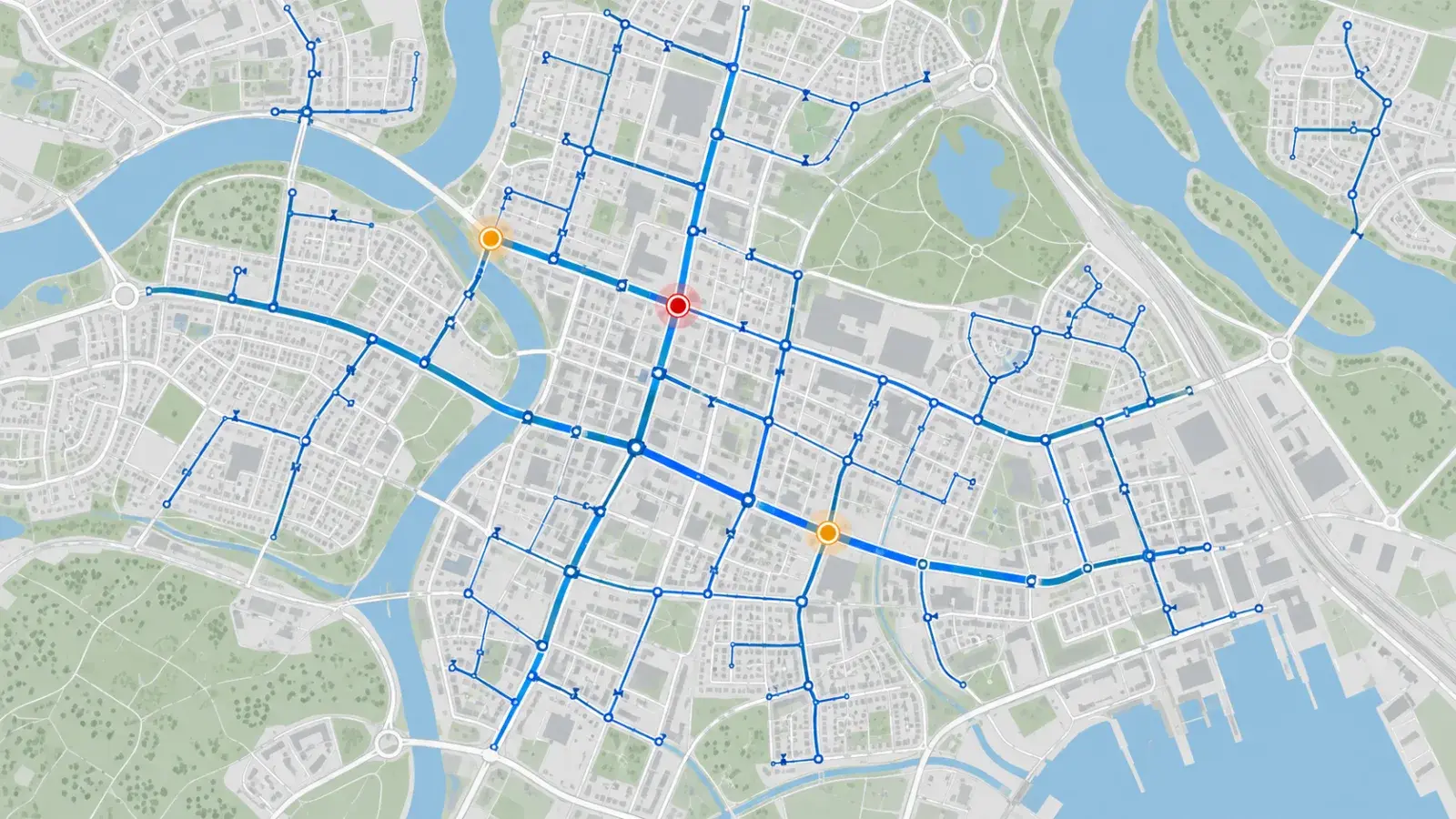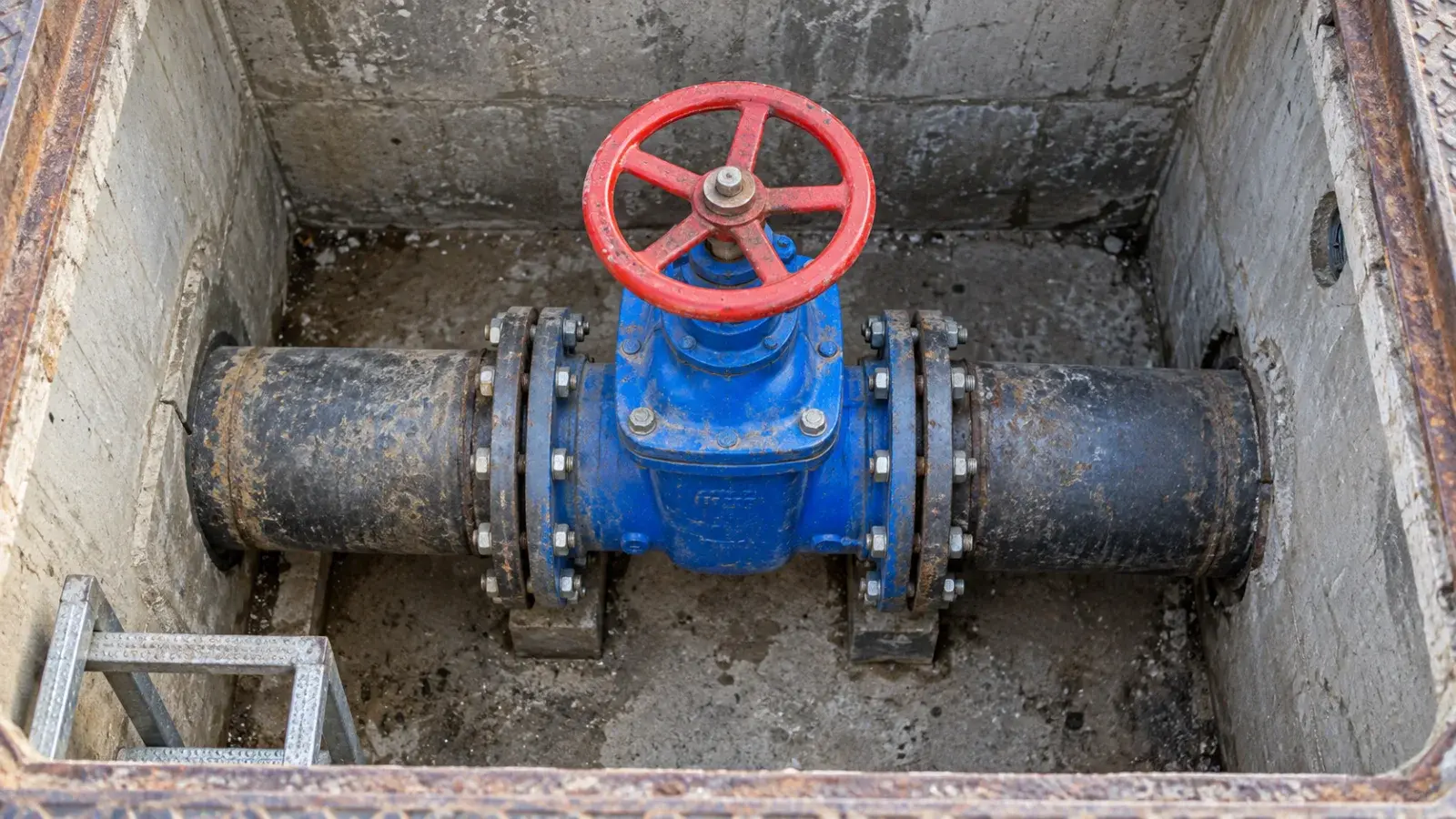
Plan valve inspections around a defined asset list, a clear inspection purpose and a follow-up decision for each result. A completed visit is not necessarily a completed inspection: an inaccessible chamber or uncertain identifier should remain visible as an exception.
Trimble’s legacy mobile integration documentation uses water valves as an example of configured assets. Check your current asset layers and inspection templates before adapting the planning worksheet below. Asset configuration guidance.
Define the programme before the form
This is an editorial planning sheet, not a valve-operating procedure. Inspection intervals and any physical operation must follow the utility’s approved engineering and safety requirements.
| Decision | Record before scheduling |
|---|---|
| Scope | Valve IDs, area and excluded assets |
| Purpose | The question this inspection should answer |
| Readiness | Asset identity, access arrangements and authorised team |
| Result categories | Verified result, incomplete assessment, inaccessible asset |
| Follow-up | Responsible team, reason and required completion evidence |
| Review | Who checks the record before accepting it |
Worked example: ten planned visits
In a hypothetical pilot, ten valves are assigned. Seven yield the intended observations, two chambers cannot be accessed and one valve cannot be confidently matched to the register. The visit-attempt total is ten, but the complete-assessment total is seven. Keep these measures separate.
The two access exceptions need a named owner and another visit decision. The identity exception needs GIS/field reconciliation before a finding is attached to a guessed valve. None should silently become “good condition” merely because the team submitted a form.
Of the seven completed assessments, suppose one identifies a defect. Its inspection is complete, but the required corrective work remains a separate responsibility. Record its work reference and acceptance evidence instead of changing the inspection result to imply the repair has already happened.
What can go wrong with a recurring schedule?
A repeated assignment can generate more unresolved records if an access problem is never addressed. Before the next cycle, review open exceptions and decide whether to reschedule, escalate access arrangements or remove an asset from that cycle with a documented reason. The design must preserve visibility of the underlying need.
Use consistent Arabic and English meanings for “not inspected” and “no defect observed.” They are not equivalent findings. Make the form and summary report preserve the distinction.
Accept the pilot through traceability
Ask a reviewer to trace one complete inspection, one access exception and one defect requiring repair. For each, they should find the asset, outcome, responsible next person and supporting evidence. Test the actual mobile workflow and permissions separately; this guide does not claim they are configured automatically.
Read the water-network maintenance guide to connect the valve programme with the wider repair process.
Plan your next step
Review InfoGraph’s Trimble offering and GIS implementation services. Contact our team with a sample asset record and the decision you need the workflow to support. For GIS data and field-collection skills, explore the training catalogue and confirm the relevant course scope; a dedicated Maintain course is not assumed.