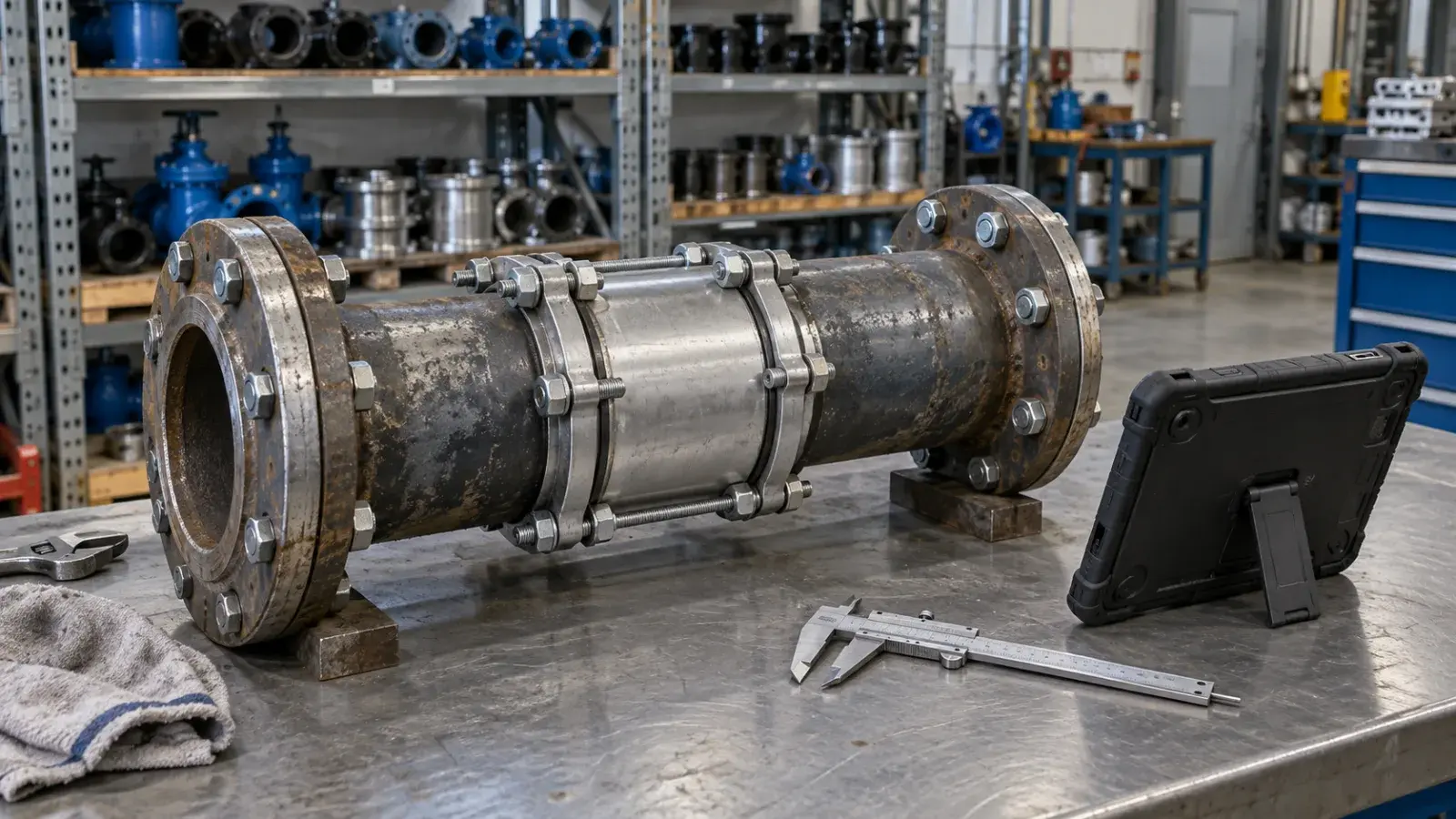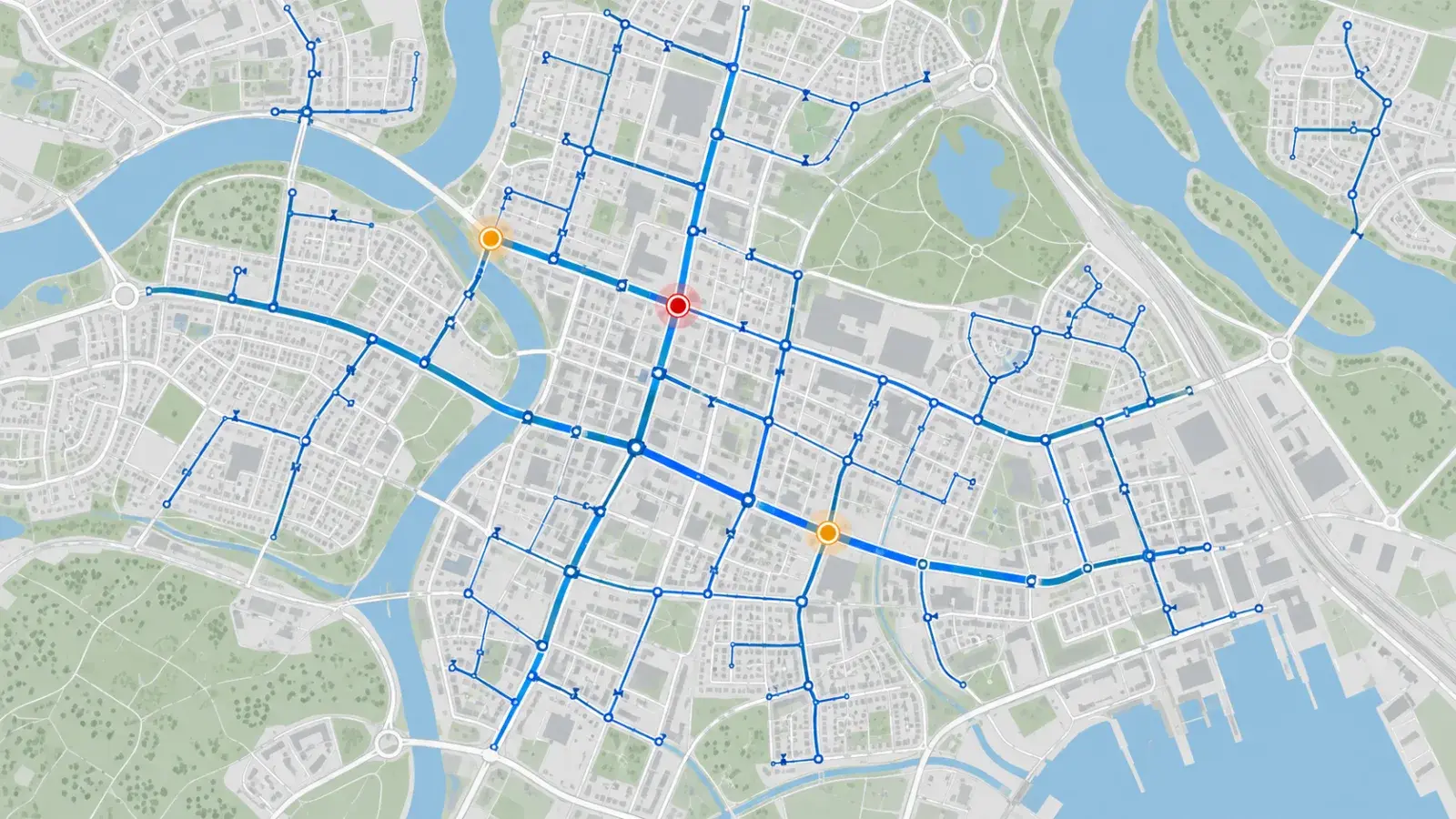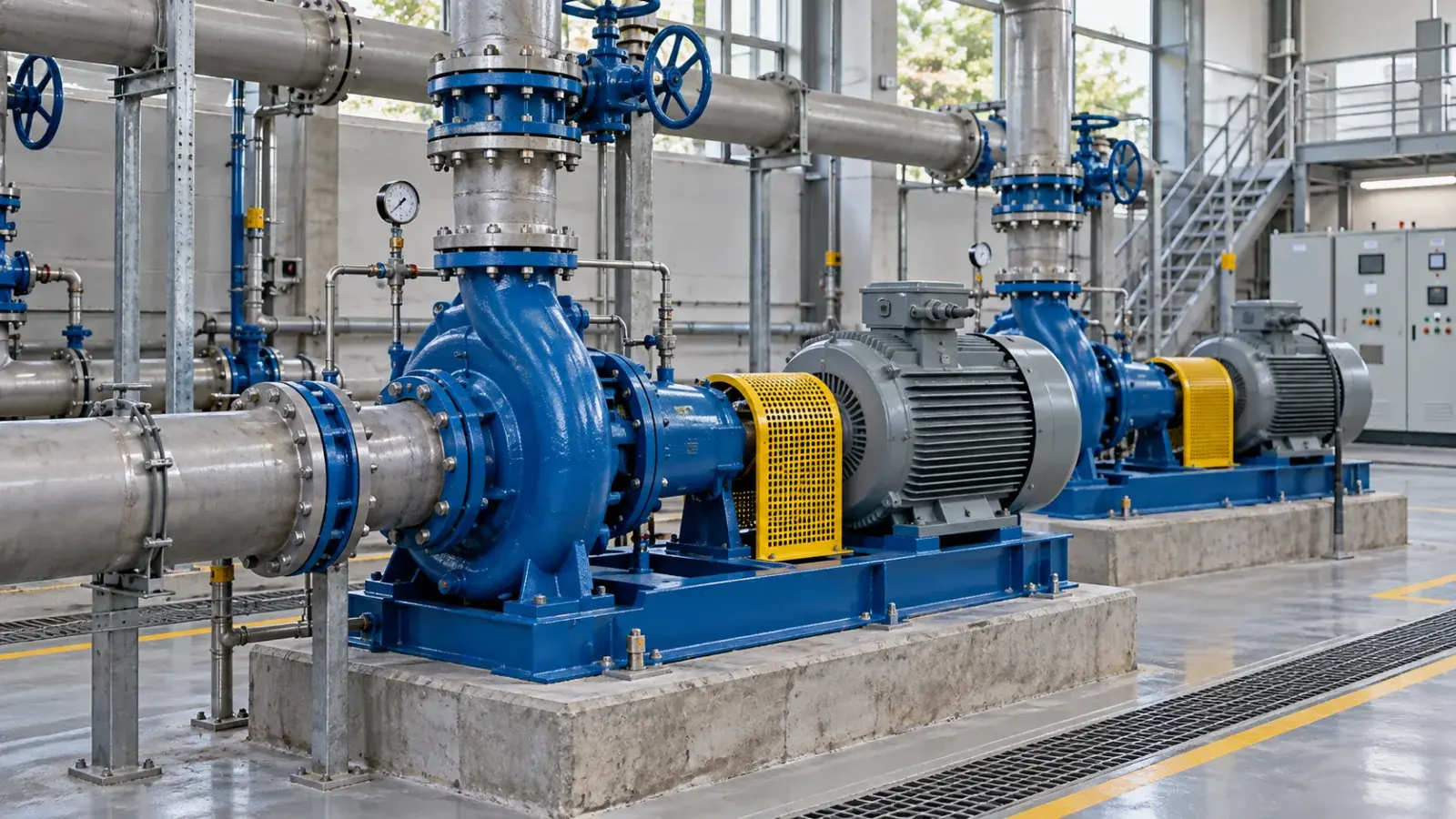
Give the station, each maintainable pump and any separately tracked component distinct identities, then define how their records connect. Otherwise, a work order attached only to the station can leave a planner unable to tell which pump was repaired or replaced.
Trimble’s connector reference includes work orders, inspections and resource-cost data. The hierarchy below is a proposed way to organise the business requirements around those records, not a claim about a mandatory product schema. Maintain connector reference.
Decide what deserves its own identity
| Level | Example | Why track it? |
|---|---|---|
| Site | Station PS-04 | Location, access and overall responsibility |
| Equipment | Pump P-04A | Service history of the physical pump |
| Component, when needed | Motor M-04A | Separate replacement or maintenance history |
| Intervention | Work reference WO-81 | What happened, when and with which evidence |
Use separate component records where the team actually needs to distinguish their history. More detail creates more maintenance effort for the register; a model nobody can keep current is a weak foundation.
Worked example: the motor moves, the station stays
In a synthetic scenario, motor M-04A is removed and a different motor is installed on pump P-04A. A later reviewer asks whether a repeated fault belongs to the original motor, its replacement or another part of the installation.
The handover record should identify the removed equipment, replacement identity, effective date, linked intervention, supporting documentation and reviewer. Keep the removed motor’s history rather than overwriting its identifier with the new serial number. Record the current relationship separately from the past relationship.
If the organisation does not track motors independently, state that limitation explicitly. The station-level report cannot safely support conclusions about an individual motor’s repeat failures.
Separate maintenance from operating control
This guide concerns traceable work and evidence. It does not define pump operating limits, isolation procedures or control-system settings. Any link to telemetry needs a verified equipment association and an agreed timestamp meaning. A sensor attached to a station is not automatically evidence about every pump there.
For bilingual teams, keep manufacturer identifiers unchanged while translating descriptive labels. Agree whether “replacement” refers to the whole pump or one component; a translated free-text note should not be the only place that distinction exists.
Test the handover
Give a reviewer the station reference and ask which pump is currently installed, which equipment was removed and which work record explains the change. Then ask for the previous equipment’s maintenance history. If the answers depend on someone’s memory, add the missing relationship or evidence to the pilot scope.
The water-network maintenance guide explains how to connect an intervention to the correct asset before reviewing its history.
Plan your next step
Review InfoGraph’s Trimble offering and GIS implementation services. Contact our team with a sample asset record and the decision you need the workflow to support. For GIS data and field-collection skills, explore the training catalogue and confirm the relevant course scope; a dedicated Maintain course is not assumed.